
Conceptualization in Exhibition Planning: Framing Themes for Immersive Experiences
Introduction
Exhibitions are more than mere displays of art or artifacts; they are carefully curated narratives that engage audiences, provoke thought, and evBooth and Stand Design: Crafting Immersive Exhibition Experiences
Introduction
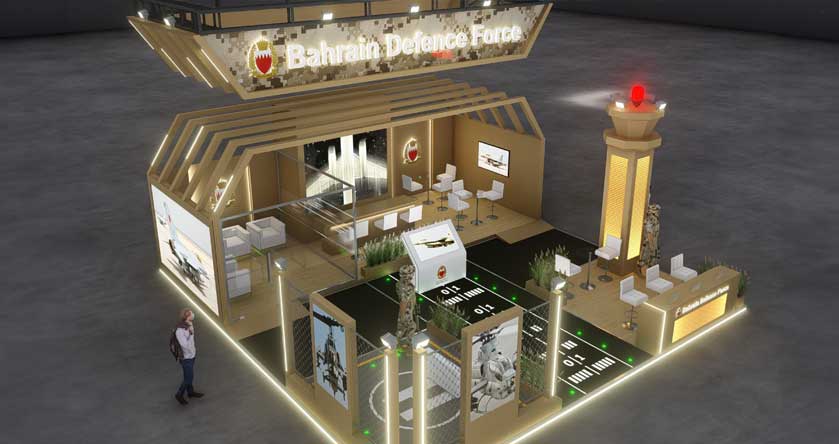
In the dynamic world of exhibitions, your booth or stand design is more than just a physical structure—it’s a strategic canvas that communicates your brand, engages visitors, and leaves a lasting impression. Whether you’re showcasing products, launching a new campaign, or hosting an industry event, the design of your exhibition space plays a pivotal role. Let’s explore how thoughtful booth and stand design can elevate your exhibition planning.
The Art of Booth and Stand Design
1. Purpose-Driven Design
Before diving into aesthetics, consider the purpose of your booth or stand. What do you want to achieve? Are you aiming for brand awareness, lead generation, or product demonstrations? Your design should align with your goals. For example:
2. Strategic Layout
The layout of your booth matters. Think about flow, accessibility, and visitor experience. Key considerations include:
3. Brand Identity
Your booth is an extension of your brand. Ensure consistency in:
4. Materials and Technology
Choose materials wisely. Consider durability, weight, and transportability. Incorporate technology where relevant:
5. Audience Engagement
Your booth should be more than a static display. Encourage interaction:
Case Study: “InnovateXpo”
Let’s imagine an exhibition called “InnovateXpo,” focusing on cutting-edge technologies. Here’s how booth and stand design can enhance the experience:
Conclusion
Booth and stand design isn’t just about aesthetics; it’s about strategic storytelling. When visitors step into your space, they should feel your brand’s essence, engage with your offerings, and leave inspired. So, whether it’s a trade show, art fair, or industry expo, let your booth design be a conversation starter—a gateway to memorable experiences.
In the realm of exhibitions, booth and stand design is an art form—a fusion of aesthetics, strategy, and brand identity. Craft your space thoughtfully, and watch it transform into a captivating narrative.
oke emotions. Behind every successful exhibition lies a process of conceptualization—a deliberate shaping of themes, ideas, and connections. In this article, we delve into the art of conceptualization within the context of exhibition planning. How do curators and artists transform abstract concepts into tangible, immersive experiences? Let’s explore.
The Essence of Conceptualization
Conceptualization is the heartbeat of exhibition planning. It involves moving beyond individual artworks or objects and considering the overarching themes that bind them together. Here are key aspects of this process:
1. Theme Identification:
2. Narrative Construction:
3. Audience Considerations:
Case Study: “EcoVisions”
Let’s explore a fictional exhibition titled “EcoVisions,” which aims to raise awareness about environmental challenges. Here’s how conceptualization shapes this immersive experience:
1. Theme Exploration:
2. Artwork Selection:
3. Spatial Design:
4. Interactive Elements:
Conclusion
As we navigate the ever-evolving landscape of immersive exhibitions, technology remains a powerful ally. By embracing new tools, artists and curators expand the possibilities of artistic expression. The responsible use of technology ensures that immersive experiences remain accessible, thought-provoking, and transformative.
In framing the virtual, we celebrate the convergence of art and technology—a dynamic partnership that continues to shape the future of exhibitions.