
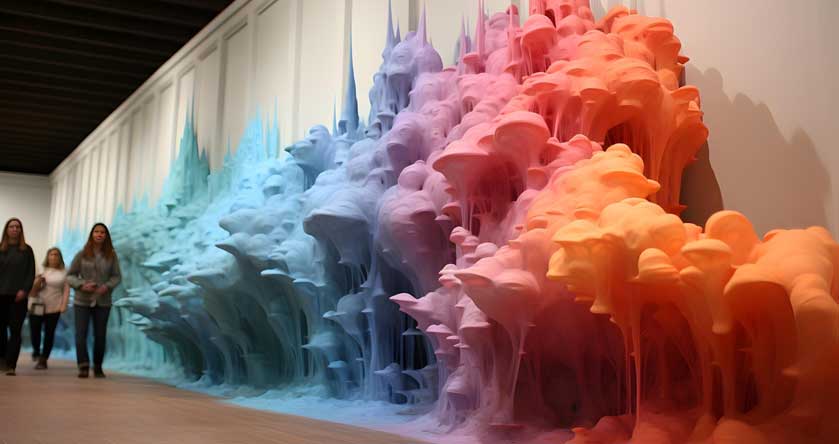
Let’s delve into the captivating world of Exhibition Graphics. These visual elements play a pivotal role in enhancing the overall visitor experience and effectively conveying essential information within museum or art gallery exhibitions. Allow me to guide you through the key aspects:
The Role of Exhibition Graphics
Informative Communication: Exhibition graphics serve as information ambassadors. Whether it’s a grand-scale installation or a modest label, they convey crucial details about the exhibit. These graphics guide visitors, providing context and background information that helps them understand and appreciate the displayed artifacts.
Simplifying Complexity: Museums and galleries often present an array of objects, each with its unique story and history. Exhibition graphics distill complex information into an easily digestible format. Visitors can absorb facts, narratives, and connections effortlessly.
Creating Visual Cohesion: Imagine an exhibition as a symphony of diverse elements—artworks, artifacts, and interactive displays. Well-designed graphics act as the conductor, harmonizing the various components. Consistent design elements and visual cues tie everything together, creating a cohesive and engaging experience.
Professional Design Matters: Collaborating with a skilled graphic designer or printing company is crucial. They ensure high-quality graphics that effectively communicate your intended message. From choosing durable materials to selecting the right printing techniques, their expertise enhances the overall impact.
Crafting an Engaging Visitor Journey
As you write your 500-word piece, consider weaving in these points to showcase the significance of exhibition graphics. Remember, they’re not mere visuals; they’re the storytellers that guide visitors through the captivating narratives within the exhibition space.