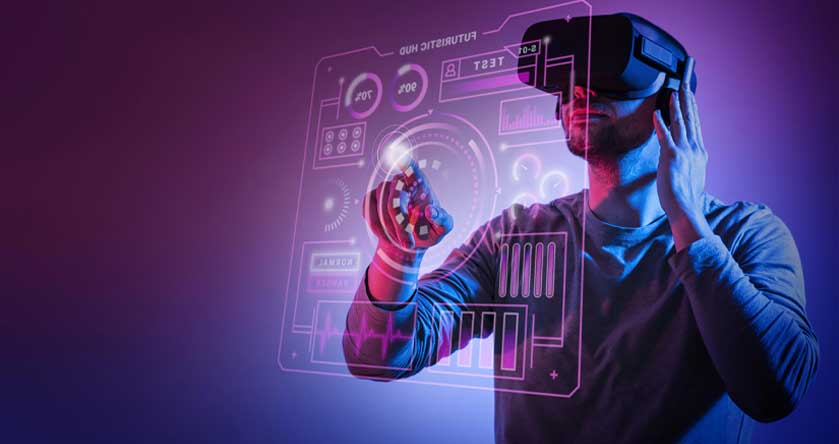
Augmented reality
Let’s delve into the captivating world of Augmented Reality (AR) services for exhibitions. As technology continues to evolve, AR has emerged as a powerful tool for enhancing visitor experiences, bridging the gap between the physical and digital realms. Here’s a comprehensive overview of how AR can transform exhibitions:
Augmented Reality for Exhibitions: Bridging Realities
What Is Augmented Reality?
Augmented Reality overlays digital information onto the real world, enriching our perception of physical spaces. Imagine standing in an art gallery and using your smartphone to reveal hidden details about a painting or witnessing historical events come alive through interactive displays. That’s the magic of AR.
Why Choose AR for Your Exhibition?
- Engagement: AR captivates visitors by offering dynamic, interactive content. It turns passive observers into active participants.
- Education: AR provides context, explanations, and deeper insights. Imagine a museum exhibit where historical figures step out of portraits to narrate their stories.
- Memorability: Visitors remember experiences that evoke emotions. AR creates memorable moments.
- Innovation: Exhibitions that embrace AR stand out. They become buzzworthy and attract tech-savvy audiences.
Types of AR Experiences:
- Interactive Art: AR allows viewers to engage with artworks beyond the canvas. Imagine a sculpture that responds to touch or a mural that reveals hidden layers.
- Virtual Guides: AR apps guide visitors through exhibitions, providing context, artist bios, and historical context.
- Spatial Storytelling: AR overlays narratives onto physical spaces. Visitors explore themed routes, uncovering stories as they move.
- Product Visualization: For product exhibitions, AR lets customers see how items fit into their lives. Try on virtual clothing or place furniture in your living room.
- Gamification: Turn exploration into a game. Scavenger hunts, quizzes, and challenges keep visitors entertained.
Implementing AR in Your Exhibition:
Content Creation:
- Collaborate with artists, designers, and developers to create AR experiences.
- Consider 3D models, animations, and audio.
Hardware and Software:
- Choose AR-compatible devices: smartphones, tablets, or AR glasses.
- Develop or use existing AR apps.
Exhibition Design:
- Integrate AR seamlessly into your space. Consider lighting, markers, and user flow.
- Test AR interactions during setup.
Promotion:
- Tease AR experiences before the exhibition. Create anticipation.
- Use social media, newsletters, and influencers.
Case Studies:
- Museums: AR brings artifacts to life. Visitors explore ancient ruins, meet historical figures, and witness events.
- Fashion Shows: Virtual catwalks allow global audiences to attend runway events.
- Trade Shows: Product demos become immersive experiences.
Cost and ROI:
- Development Costs: Vary based on complexity. Budget for content creation, app development, and hardware.
- ROI: AR boosts engagement, visitor satisfaction, and brand perception. It’s an investment in the future.
Your AR-Enhanced Exhibition Awaits!
Contact us today to discuss how we can elevate your exhibition through AR. Let’s create an unforgettable blend of reality and imagination.